
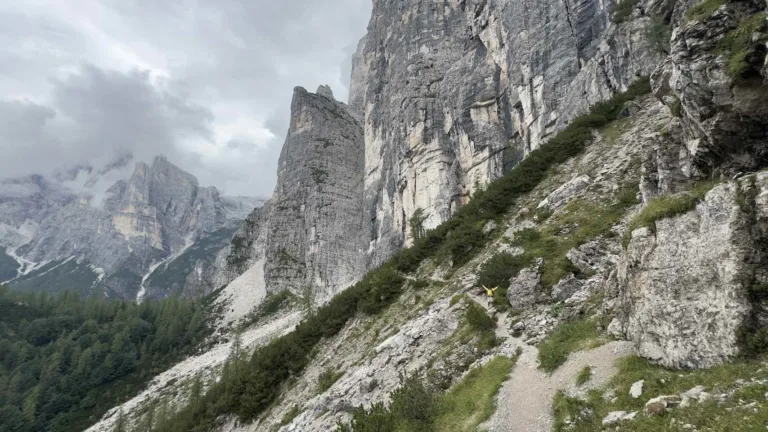

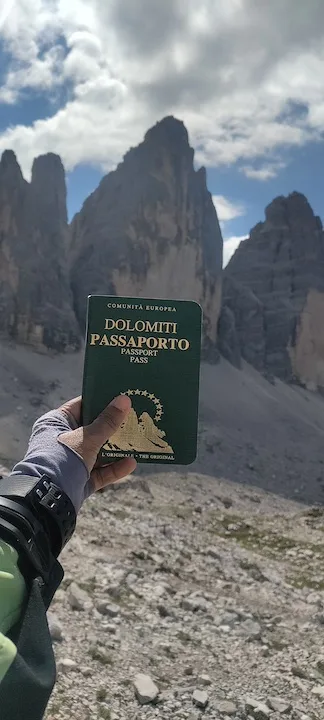
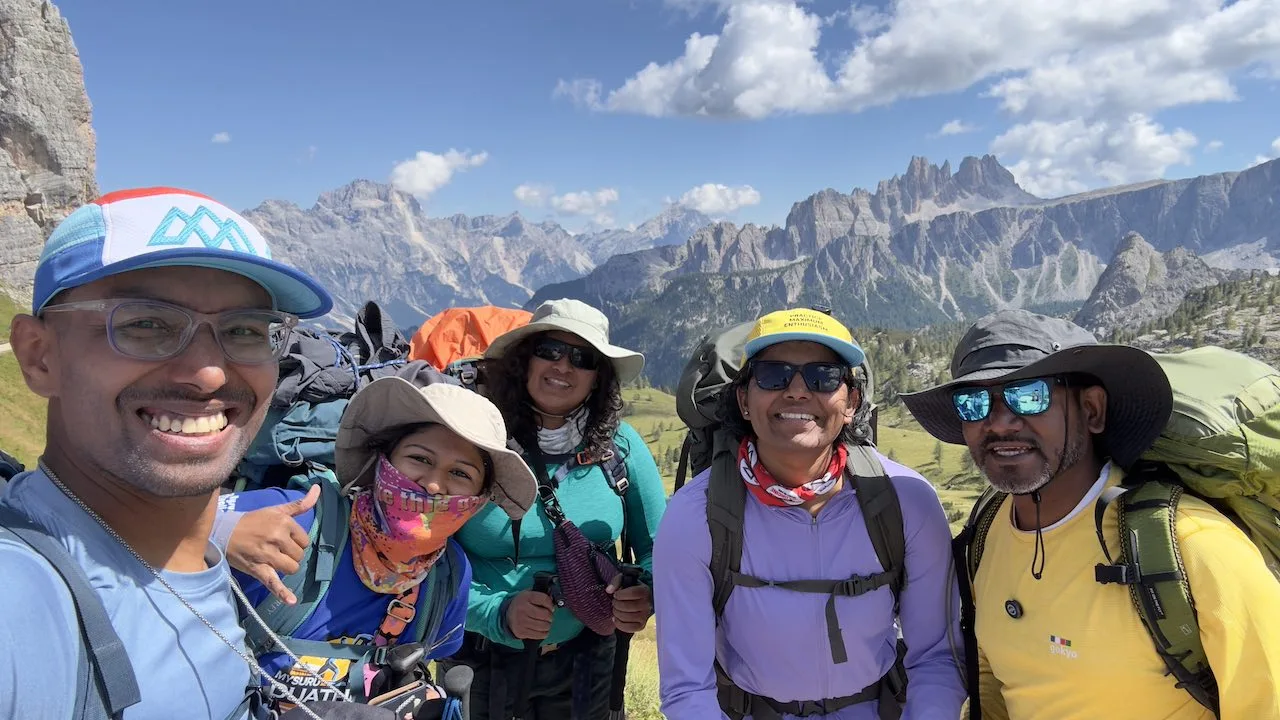
Alta Via 1 is one of the most iconic hut-to-hut hikes in the Dolomites. Over 10 days, we trekked from Lago di Braies to Belluno, staying in rifugios, collecting stamps in our Dolomiti passport, and watching sunsets from some of the most unreal mountain viewpoints in Italy. At the end of this post, I’ve also shared practical tips on booking rifugios, packing, and navigating the trail.
Where Are the Dolomites? And Why They Look So Unique
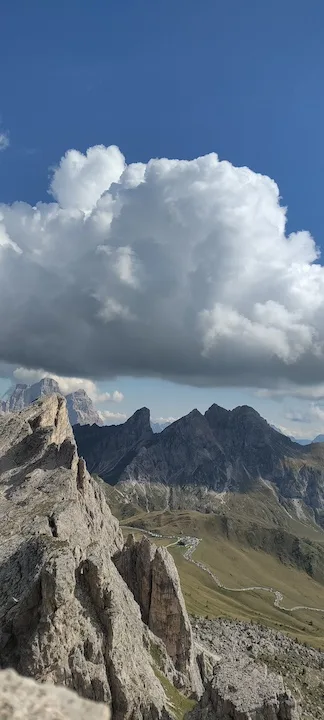
The Dolomites are a stunning mountain range in Europe. It is a UNESCO World Heritage Site featuring many iconic multi-day hut to hut hikes like the challenging Alta Via 1 & 2. Stretching roughly 150 km across northeastern Italy (South Tyrol, Trentino, and Belluno), the Dolomites form part of the Alps. A beautiful work of art by Mother Nature, its unique structure leaves one in awe.
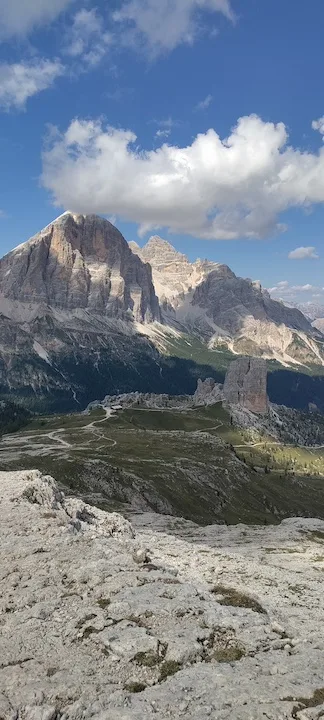
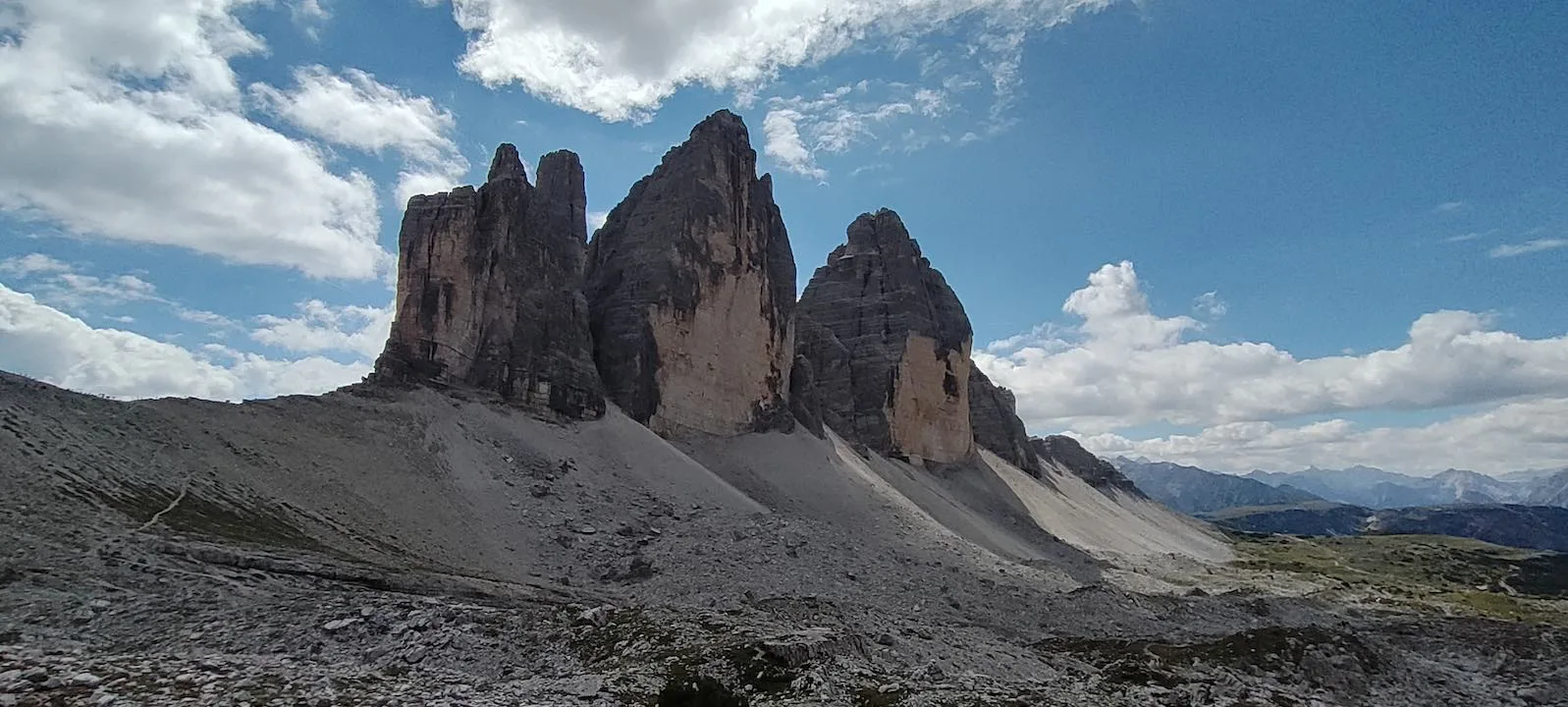
During the Triassic Period (201–252 million years ago), a warm, shallow sea covered this region. Over time, tiny sea creatures built up layers of shells and skeletons, forming limestone that later transformed into dolomite rock. Millions of years later, the Earth’s plates pushed and lifted these rocks, creating mountains. Glaciers, rivers, and wind then carved the stone into valleys, sharp peaks, and towering cliffs. This long process of sculpting gave us the breathtaking shapes we see today, like the famous Tre Cime di Lavaredo and Marmolada, that make the Dolomites look magical.
What Is Alta Via 1?
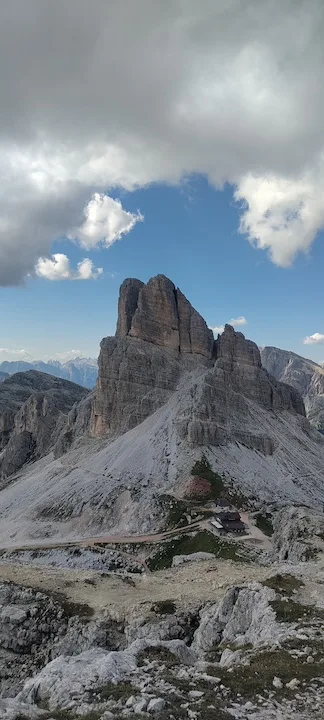
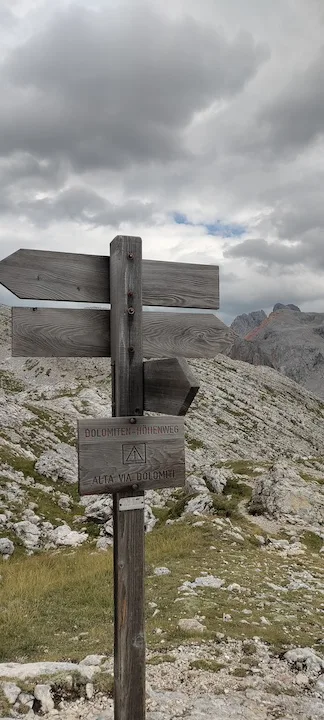
The Dolomites have hundreds of hiking routes, but Alta Via 1 (AV1) is one of the most famous hut-to-hut treks in Europe. It was first published in 1969, thanks to two Bavarian hikers, Ulrich Görn and Gerda Hoffmann, who introduced the world to this epic adventure. This 120 km long trail has more than 20 Rifugios (mountain huts) providing food and accommodation.
Refugios We Stayed In
During our 10 day hike, we stayed in some stunning rifugios,
- Lago di Braies (Pragser Wildsee), 1,496 m
- Rifugio Sennes, 2,126 m
- Rifugio Fanes, 2,060 m
- Rifugio Lagazuoi, 2,752 m
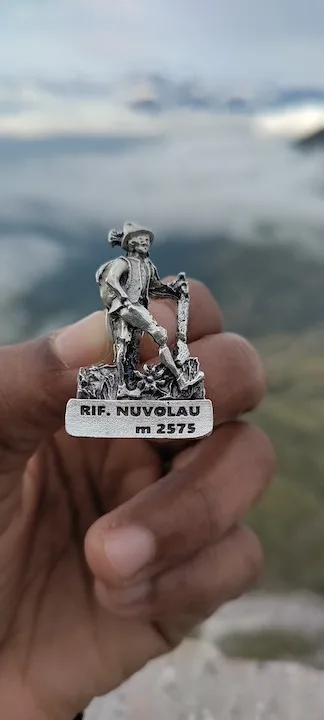
- Rifugio Nuvolau, 2,574 m
- Rifugio Città di Fiume, 1,917 m
- Rifugio Vazzoler, 1,714 m
- Rifugio Bruno Carestiato, 1,834 m
- Rifugio Sommariva al Pramperet, 1,857 m
- Rifugio Belluno, 1,502 m
Along the way, we stopped by other beautiful refugios, enjoyed tea, coffee, pizza and pasta, and collected stamps in our Dolomiti passports to mark our journey.
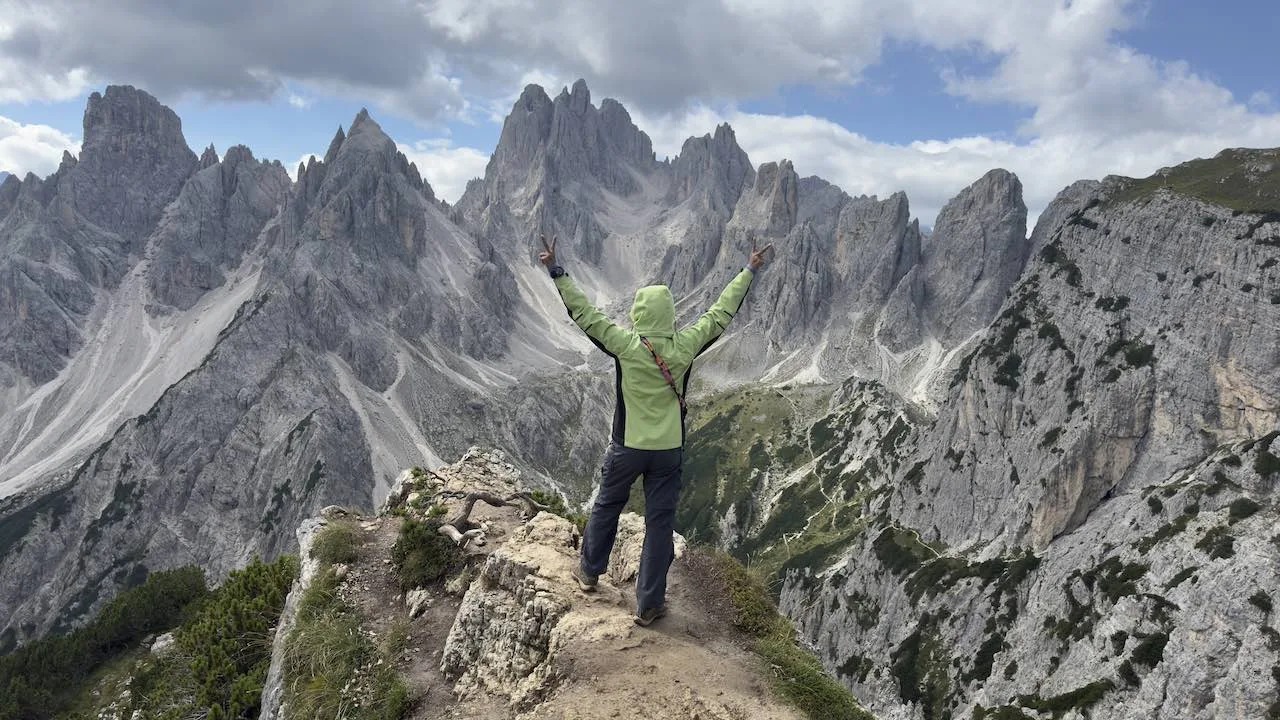
Before our official Alta Via 1 trek began, we also did a couple of short hikes Tre Cime di Lavaredo and Cadini di Misurina.
Day 1: Lago di Braies to Rifugio Sennes
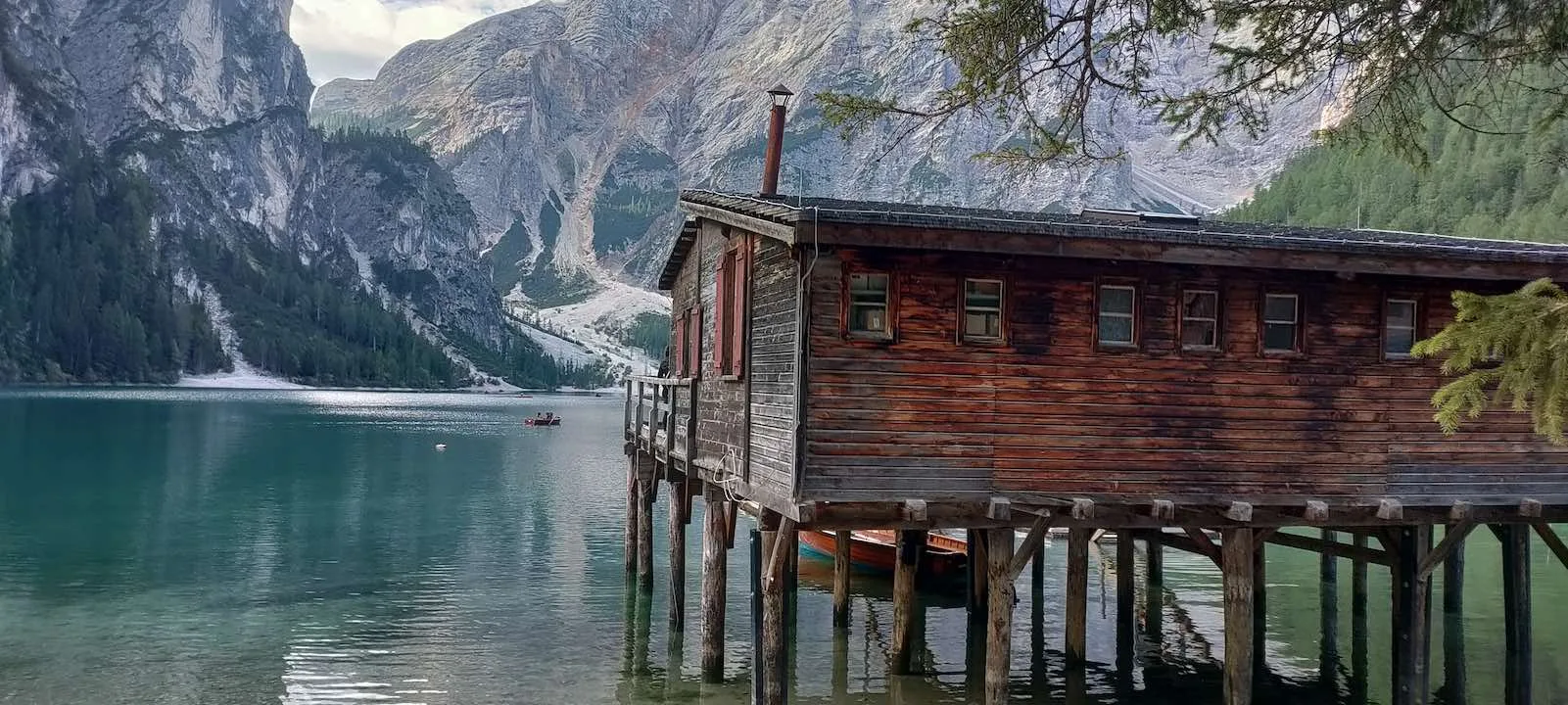
We started our Alta Via 1 trek from Lago di Braies, ‘lago‘ was the second Italian word I learned after ‘ciao’, it means ‘lake.’ That lake simply blew our minds. What a beautiful and calm place. An alpine lake with emerald green water, huge mountain backdrop with cool breeze flowing through the serene landscape. As we climbed up, we looked back several times to admire the beauty of the lake.
Boots off, backpacks down — we called it a night at Rifugio Sennes, perched on a high alpine plateau. In the morning, after breakfast, we set off toward the next destination, Rifugio Fanes.
Day 2: Rifugio Sennes to Rifugio Fanes
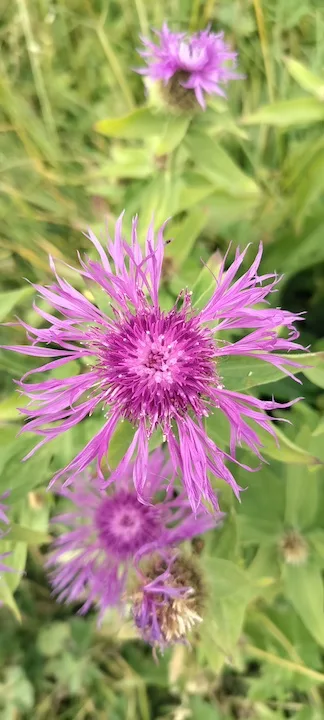
While hiking to Rifugio Fanes, we played peekaboo with the peaks of Croda del Becco, Cima Una, and Col Bechei. We searched in vain for the rare and exclusive Edelweiss flower but we did say hello to many other high altitude flowers such as the Gentian flower, Dwarf Thistle, Silver Thistle, Musk Thistle, St. George’s Mushroom, Brown Mushroom, Milkcaps, Autumn Crocus, Common Yarrow, Alpine Toadflax, Knapweed, Globeflower, and many more. When God gives, He gives abundantly.
Day 3: Rifugio Fanes to Rifugio Lagazuoi (WWI Tunnels + Sunset Views)
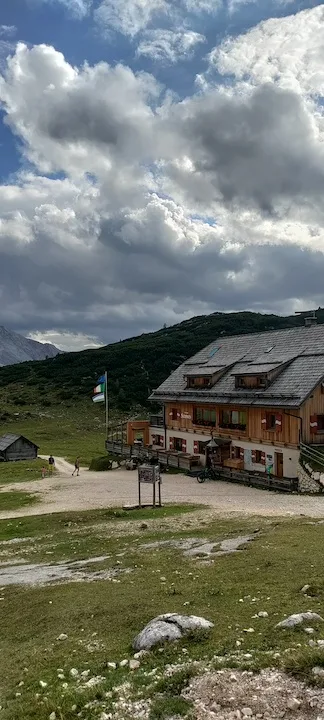
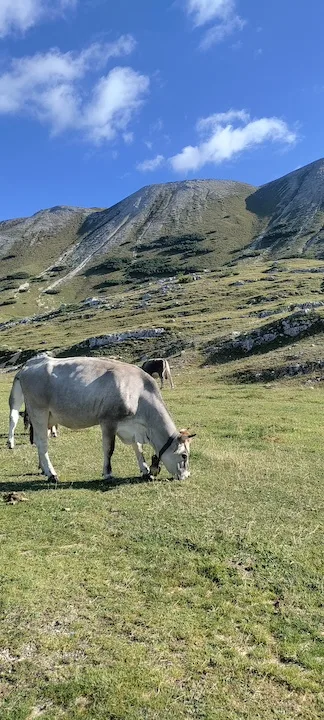
From Fanes, we started the day with greetings from the lake, exchanged high-fives with curious cattle, chubby marmots, and followed the grey-yellow terrain. This was one of the First World War frontline routes used by Italian and Austro-Hungarian soldiers. It is an open air museum of many caves, tunnels and trenches that hold memories of WWI. In the evening, we reached Rifugio Lagazuoi and witnessed a golden sunset with a hot cup of tea.
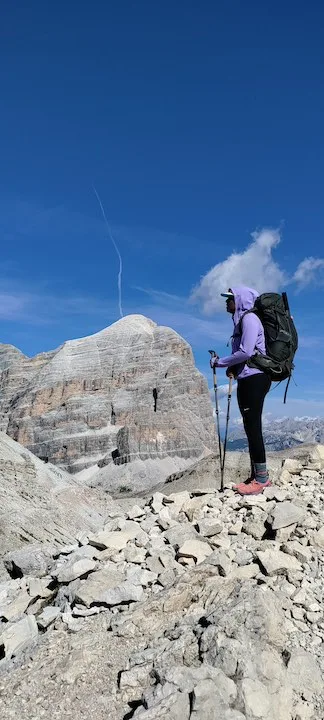
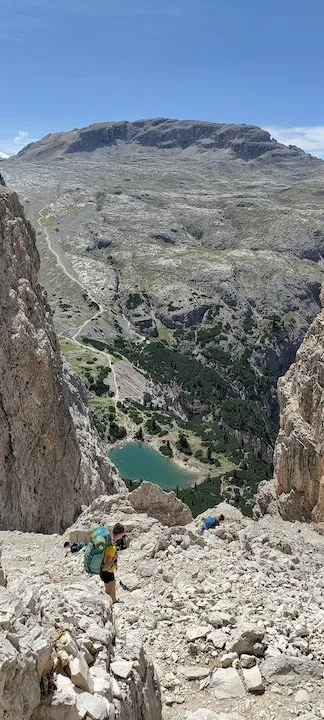
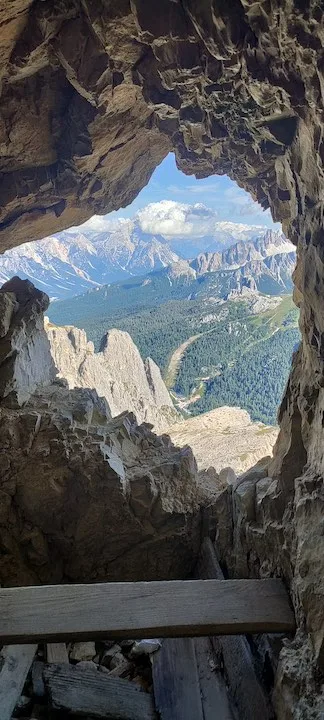
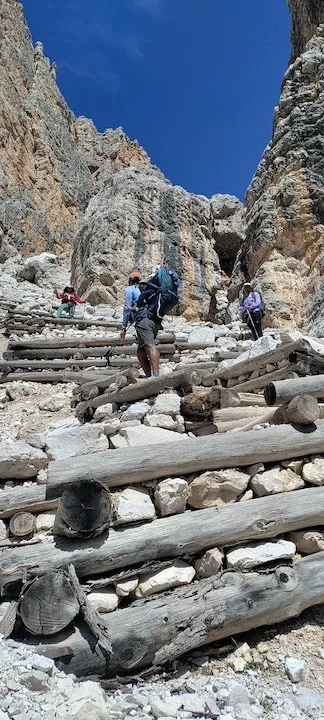
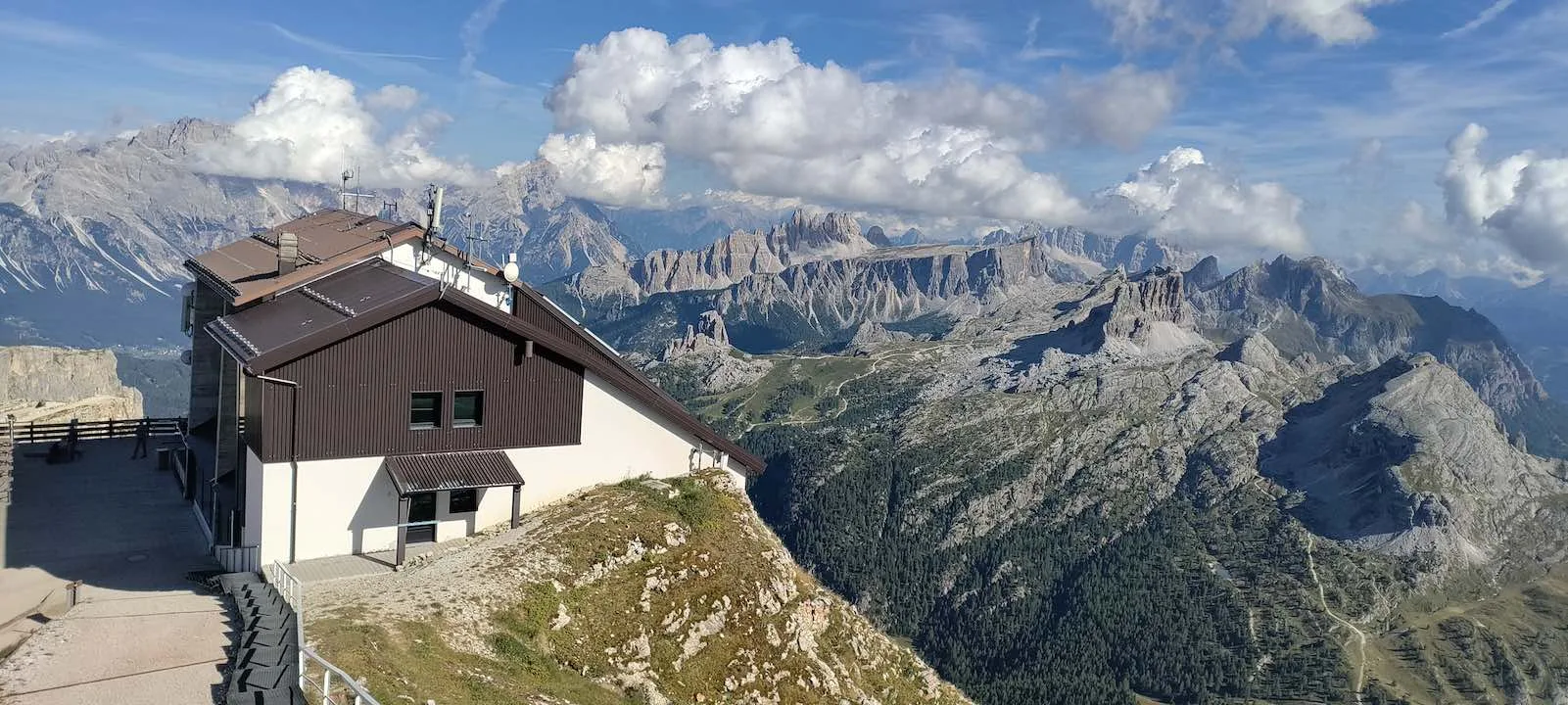
Day 4: Rifugio Lagazuoi to Rifugio Nuvolau (Cinque Torri Stop)
Our journey resumed the following day. We halted at for noon for snacks with views of Cinque Torri – the five towers: Torre Grande, Torre Seconda, Terza Torre, Quarta Torre, and Quinta Torre. Our eyes followed the daring ascent of climbers over the mountains with a sunlit horizon.
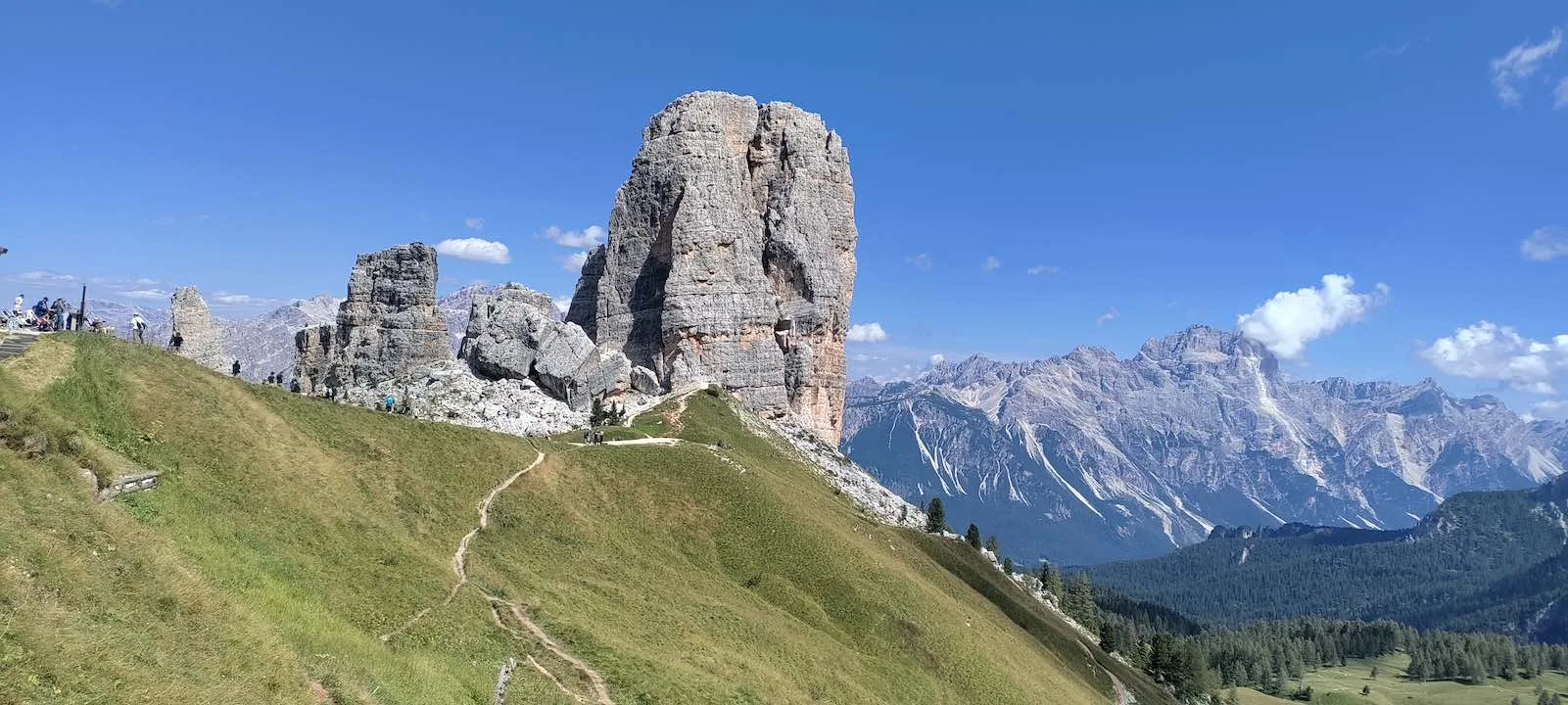
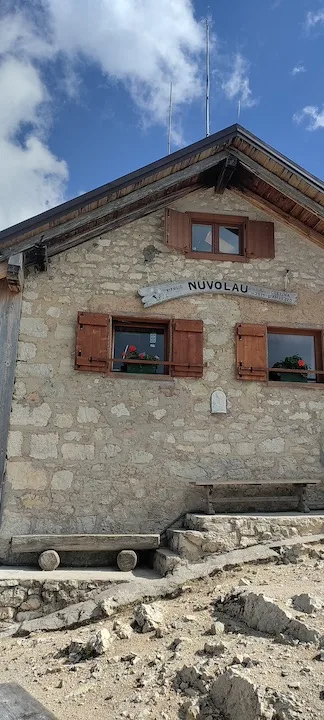
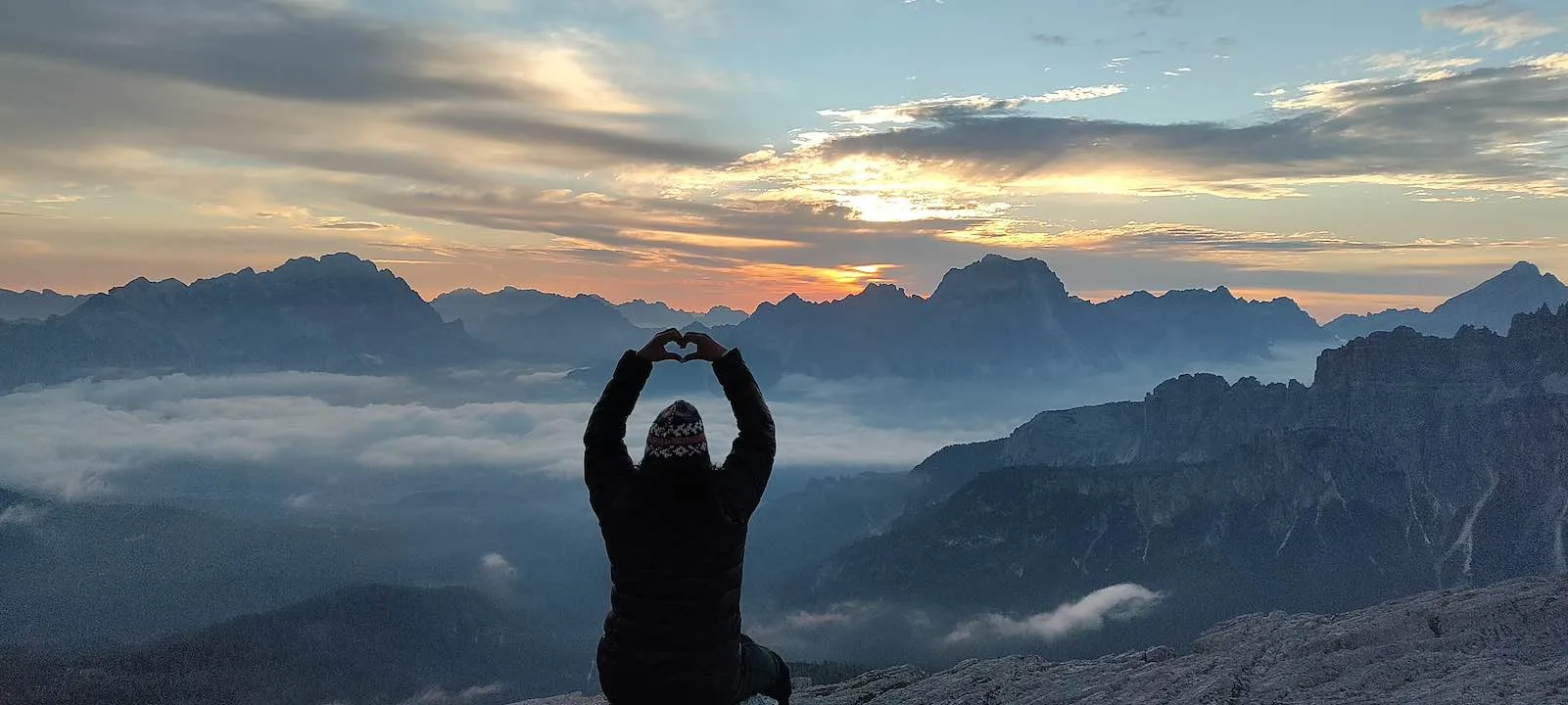
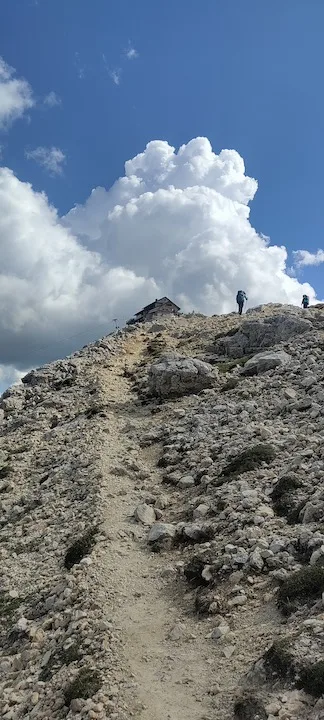
As the sun began to set, we reached our home for the day, Rifugio Nuvolau.
Rifugio Nuvolau — History of one of the Oldest Huts in the Dolomites
Rifugio Nuvolau is one of the oldest mountain huts. Built in 1880, it showcases the authentic, traditional alpine style. Rifugio Nuvolau has a long and fascinating history that began on 11 August 1883, when the first hut called the Sachsendankhütte (meaning “the hut of Saxon gratitude”) was opened thanks to Baron Richard von Meerheimb, who donated funds out of gratitude after recovering his health in Cortina.
As tourism grew, the hut was expanded in 1893, and by 1911 it attracted over 15,000 visitors. In 1912, a small cableway for transporting backpacks and supplies was built, along with a summer sled track to reach the hut during snowy periods; this supply cableway is still used today. During World War I, between 23 and 24 May 1915, Italian troops advanced through Ampezzo and eventually occupied the Nuvolau summit after poor weather caused confusion among defenders.
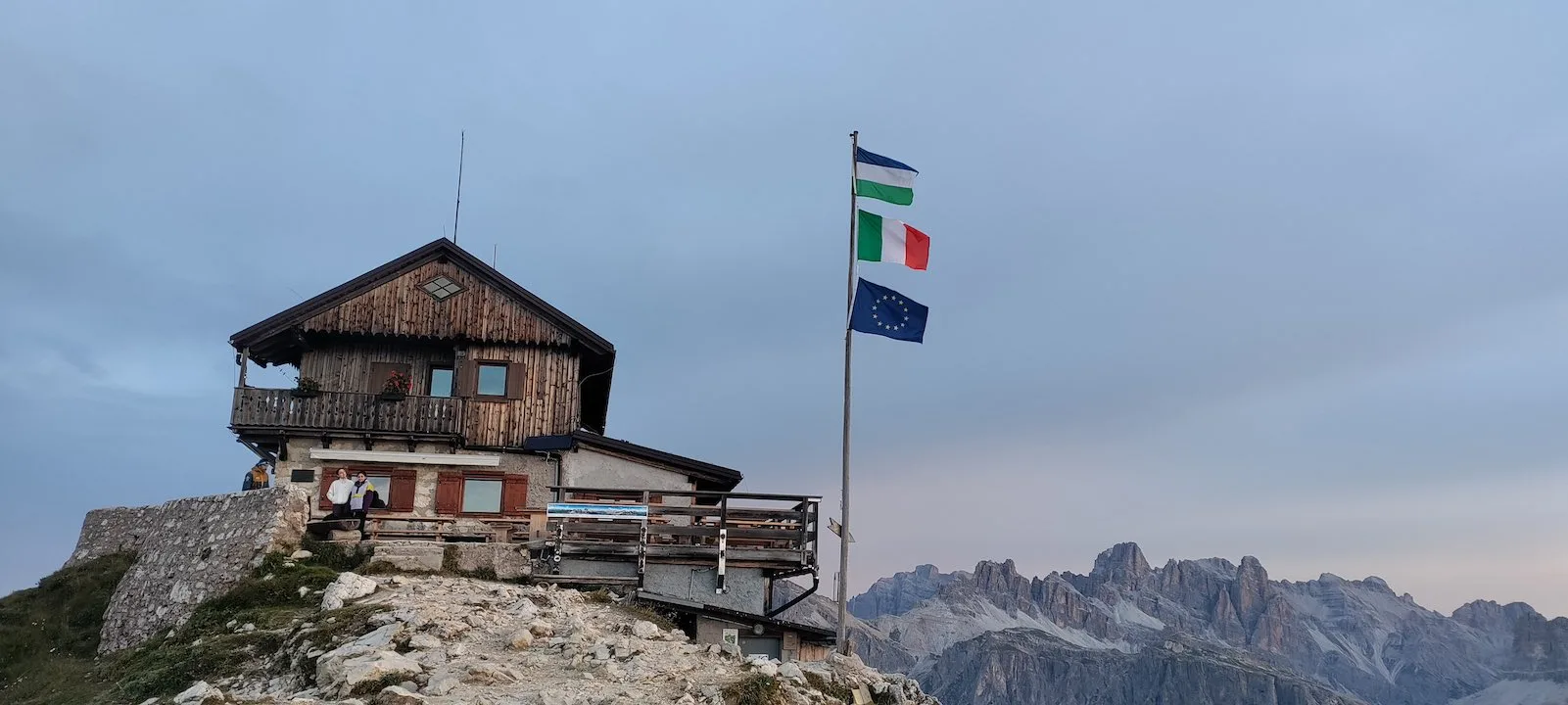
After the war’s destruction, the hut was rebuilt and reopened in 1930, remaining under Austrian management until 1948, when the Italian Alpine Club took over and renamed it Rifugio Nuvolau. In 1950, Gilma and Guido de Zanna became the new managers, working closely with Rifugio Cinque Torri. During the years when the cableway was not functioning, Guido often carried supplies up the mountain on his shoulders. In 1973, Mansueto Siorpaes and his wife Joanne Jorowski took over as wardens, guiding the hut for 47 years until 2020.
A dramatic event occurred in 1993 when lightning destroyed the cableway engine and mountain station; thanks to the helicopter support, the system was quickly rebuilt.
In the following years, the hut was finally modernized and connected to an electric power line, bringing it into the present while preserving its historic charm. By this time in our journey, we were completely immersed in the mountains, lost from the outside world, soaking in the beauty and treating our eyes to unforgettable views.
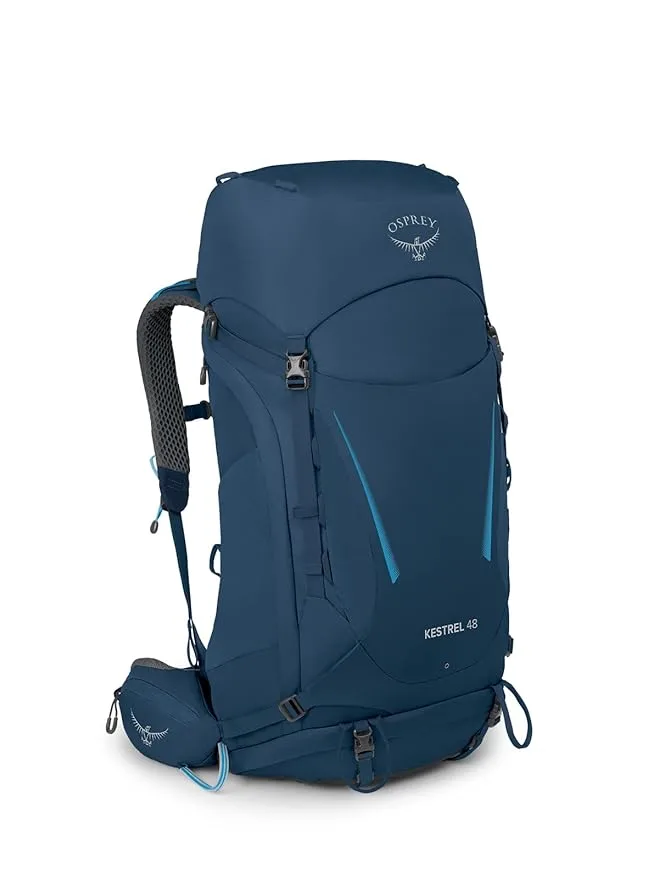
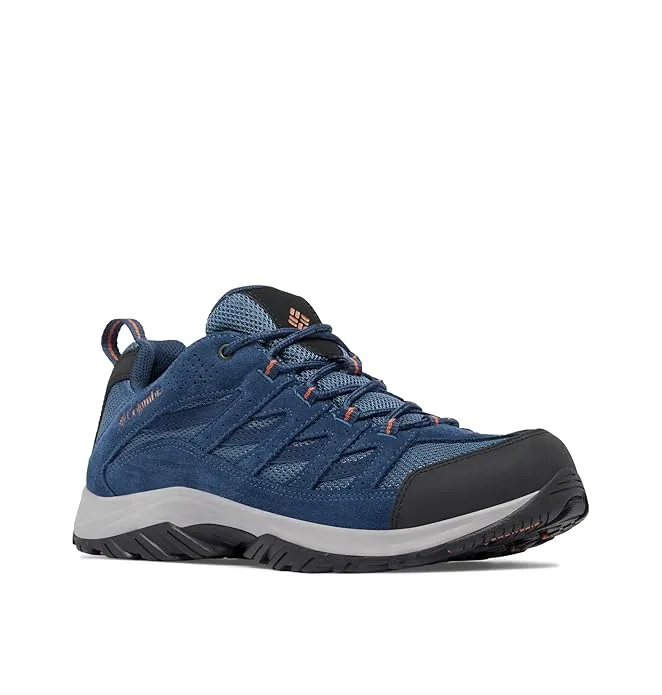
Gear we recommend


Day 5: Rifugio Nuvolau to Rifugio Città di Fiume
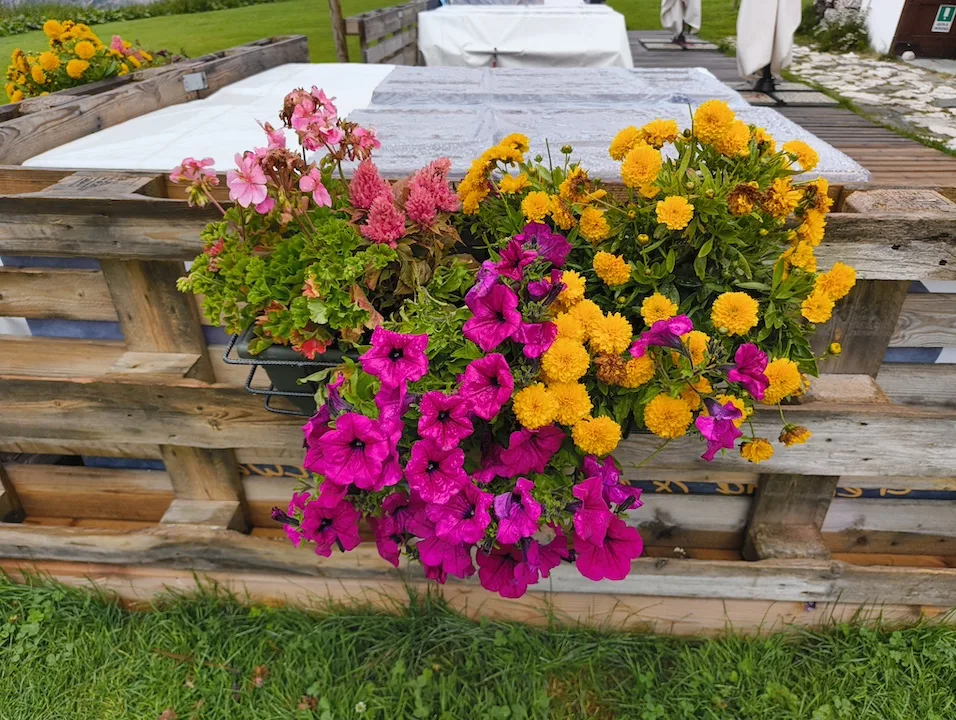
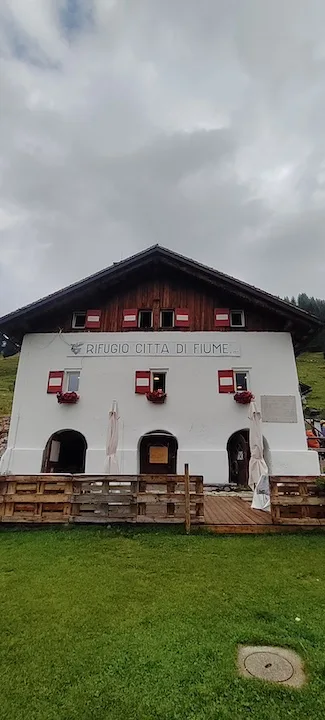
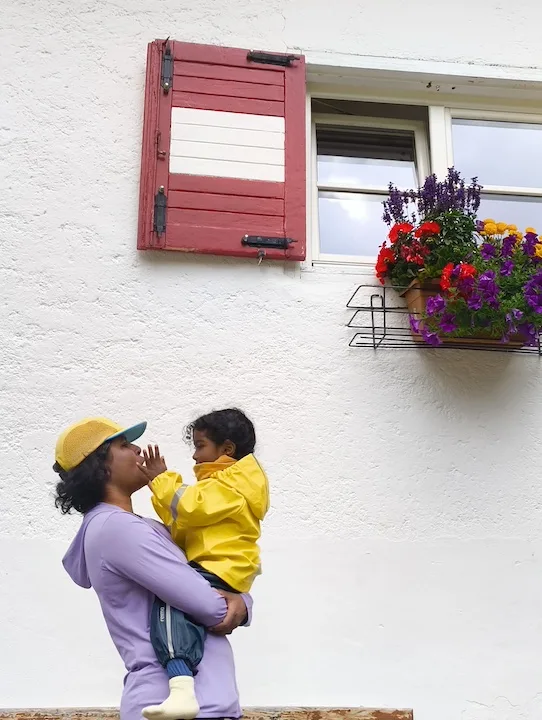
The following day, after a rhythm of highs and lows, we reached our cozy stopover at Rifugio Città di Fiume, a charming little hut set in a green meadow, with white walls and rose-red flowers. By the time we reached the hut, we were drenched in the rain but the thought of warm food waiting for us had kept our spirits from sinking.
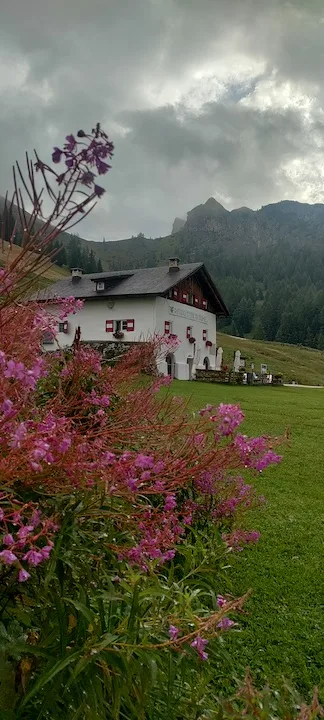
Day 6: Weather Detour: Staulanza + Alleghe
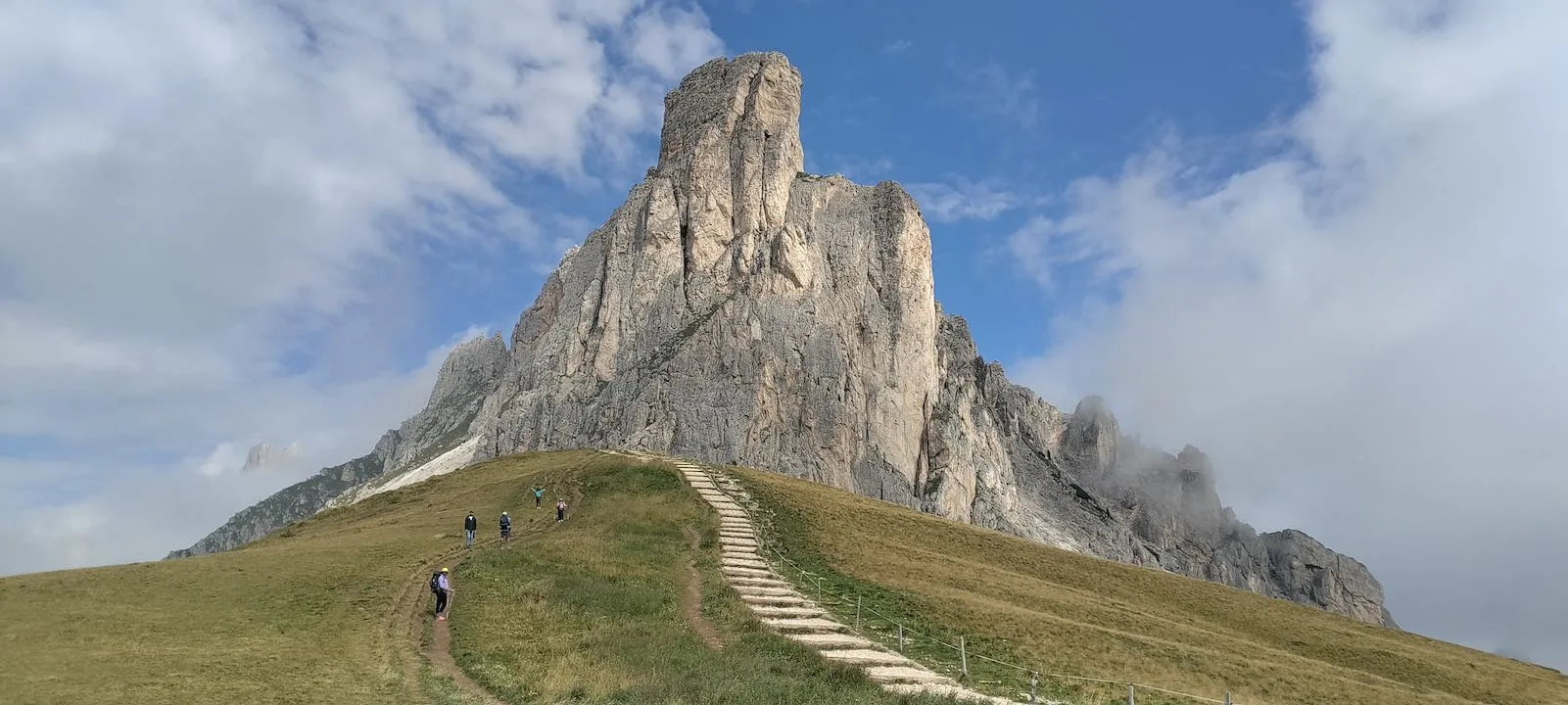
The next day, our plan was to hike to Tissi but due to bad weather, we decided to go to Staulanza. On the way, we stopped by Passo Giau and were treated to this amazing view.
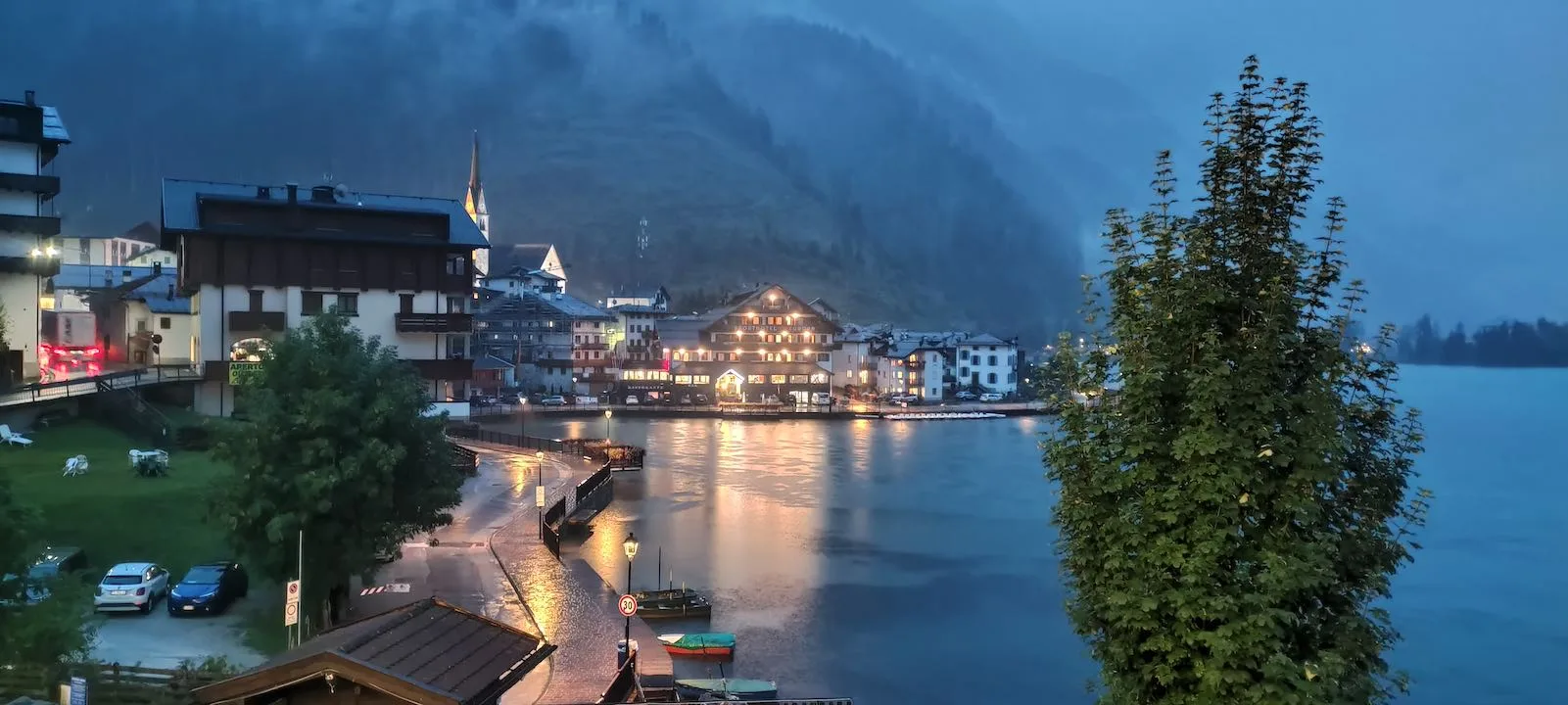
Later, we took a bus from Staulanza, and stayed in the town of Alleghe. From our balconies we enjoyed the view of a beautiful lake with swans in the cold and rainy weather. That night, we ended our day with a Pizza Party.
Day 7: Rifugio Capanna Trieste to Rifugio Vazzoler
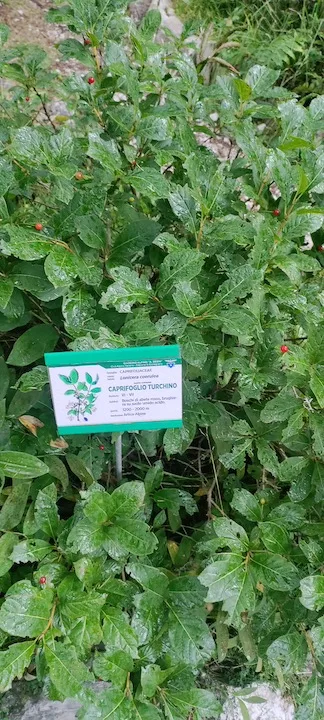
From Alleghe we took a van to Rifugio Capanna Trieste and as the weather got better, we resumed our hike. A wide trail lay ahead – streams, forests, and steady elevation gain and suddenly we stumbled upon Rifugio Mario Vazzoler. Vazzoler is a paradise for botanists: they have a wonderful collection of plants with scientific names, common names, altitude ranges, families, habitats, and more. We also met a cheerful doggie named Bennie.
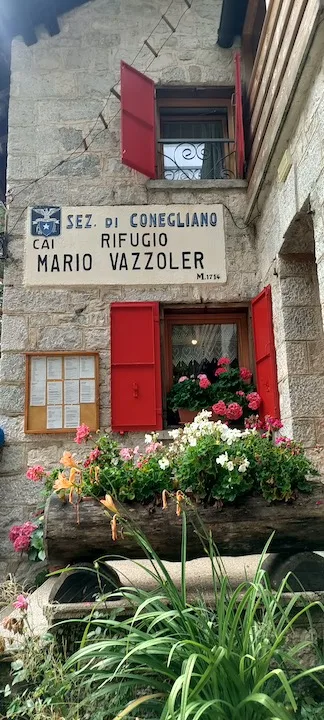
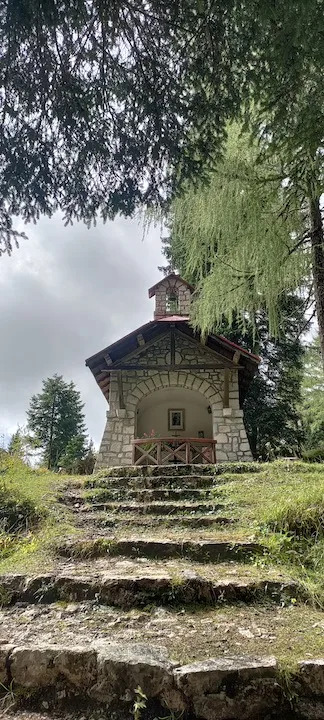
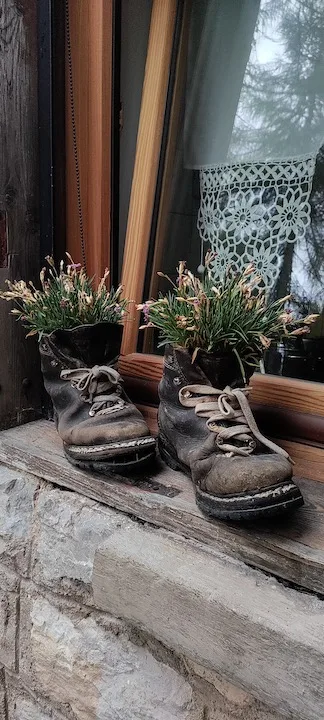
Day 8: Rifugio Vazzoler to Rifugio Carestiato
The next day was a 10-km hike from Rifugio Vazzoler to Rifugio Carestiato. The trail ran through towering mountains, rocky gullies, and steep slopes, carrying us from the Civetta massif toward the Moiazza massif. Along the way, I couldn’t help thinking of Alex Honnold. Did he ever climb these walls? What does the view look like from the peak? And what secrets lie hidden between these massive cliffs? By the time we reached Carestiato, I was still lost in these thoughts, and we spent the night there wrapped in the quiet of the mountains.
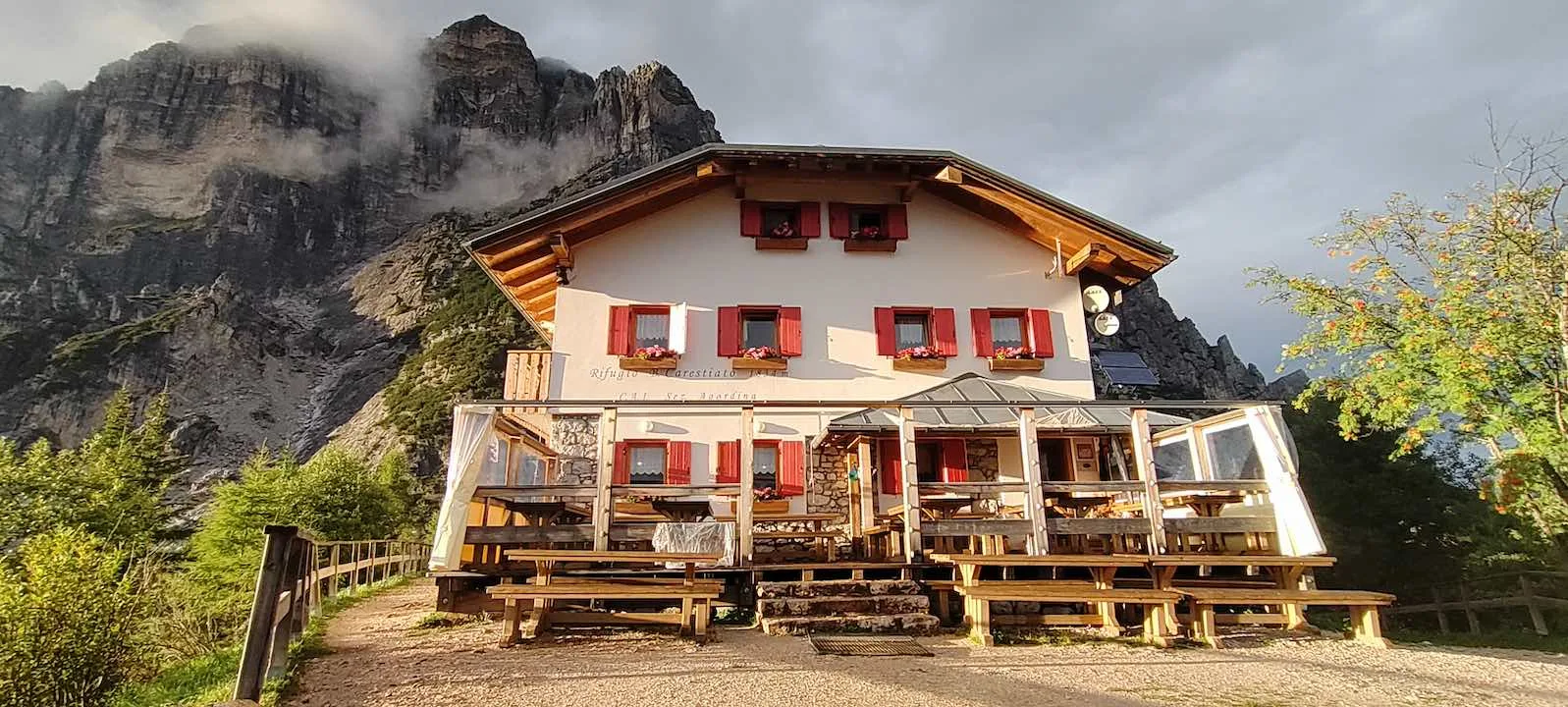
Day 9: Rifugio Carestiato to Rifugio Sommariva al Pramperet
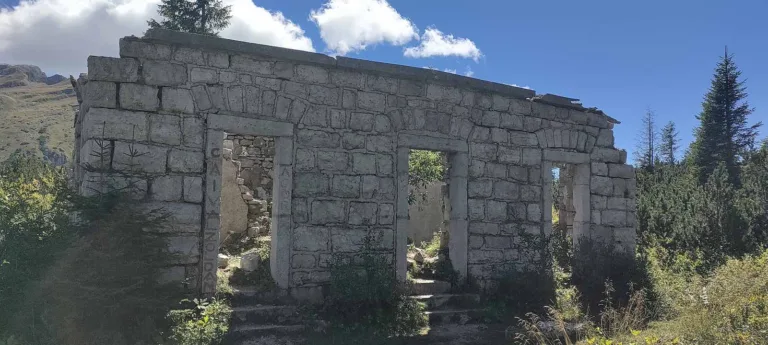
The next day we passed by the old ruins of Bivacco CAI Vanzon Dan, a small stone shelter built by the Club Alpino Italiano (CAI).
It used to give basic protection to hikers and climbers in this remote area before bigger huts like the rifugios took over. Now it’s just broken walls with no roof, but it shows how people explored these mountains years ago.
Day 10: Rifugio Sommariva al Pramperet to Belluno
The following day, we started at 6:30 AM, and within the first stretch we spotted six ibex, the perfect goodbye gift from the mountains. At 10:30 AM, we took a break at Rifugio Pian de Fontana, and by 1:00 PM we reached Rifugio Bianchet for lunch. The final stretch was the longest downhill walk of the trek, my knees nearly gave up but we made it to the bus stop at 3:15 PM and took a bus to Belluno.
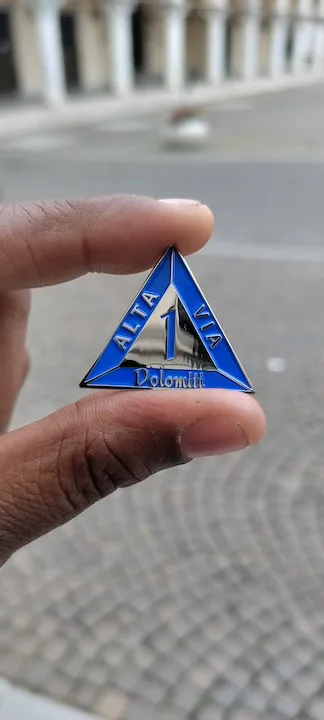
In Belluno, we stopped at the Tourist Center for our final stamp. Trek completed. Pin collected. And above all, a deep sense of gratitude for the mountains and for being allowed to spend these amazing days in nature.
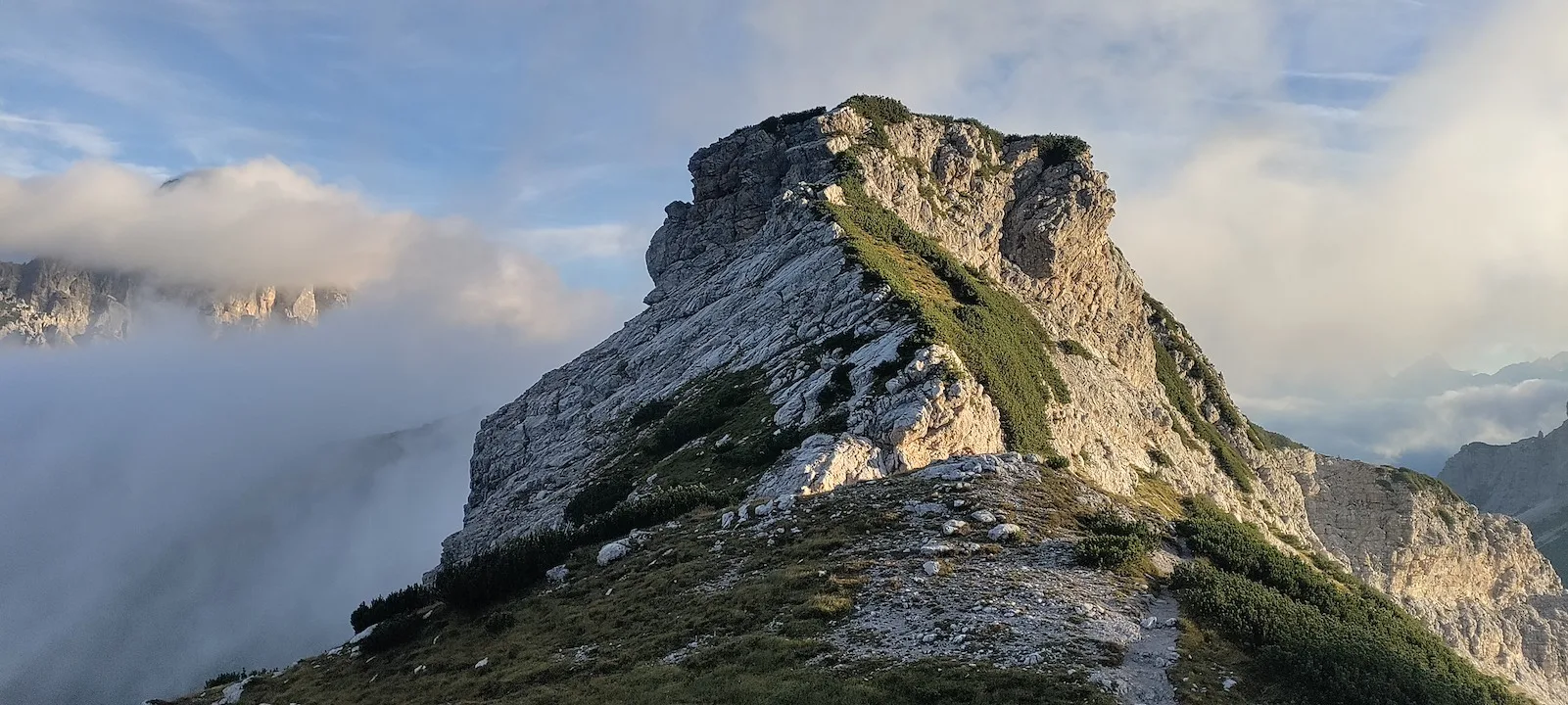
Alta Via 1 Tips
- Book your rifugios well in advance: Alta Via 1 is extremely popular, and huts fill up fast in peak season.
- Use the official rifugio websites and email IDs: Most rifugios respond quickly over email, and it’s the most reliable way to book.
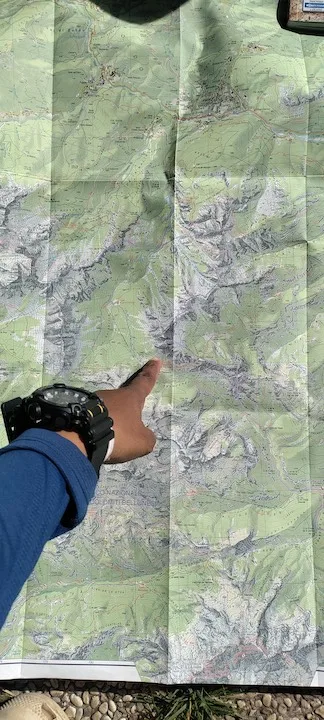
- No guide is required, but study the route beforehand: The trail is well-marked, and detailed maps are available on paid apps.
- Bring a water bottle with a built-in filter.
- Pack light: A lighter backpack makes a huge difference over 8–10 days.
- Carry a windproof jacket and warm layers: A windproof shell + thermal base layer (or a 2-in-1 jacket) is ideal—weather changes quickly in the Dolomites.
- Card is usually accepted, but carry some cash.
- Trekking poles help a lot: Especially on long descents and rocky sections.
- Add squats and lunges to your routine before the trek.
- WiFi & First aid: Rifugios have WiFi and keep medical kits for emergencies.
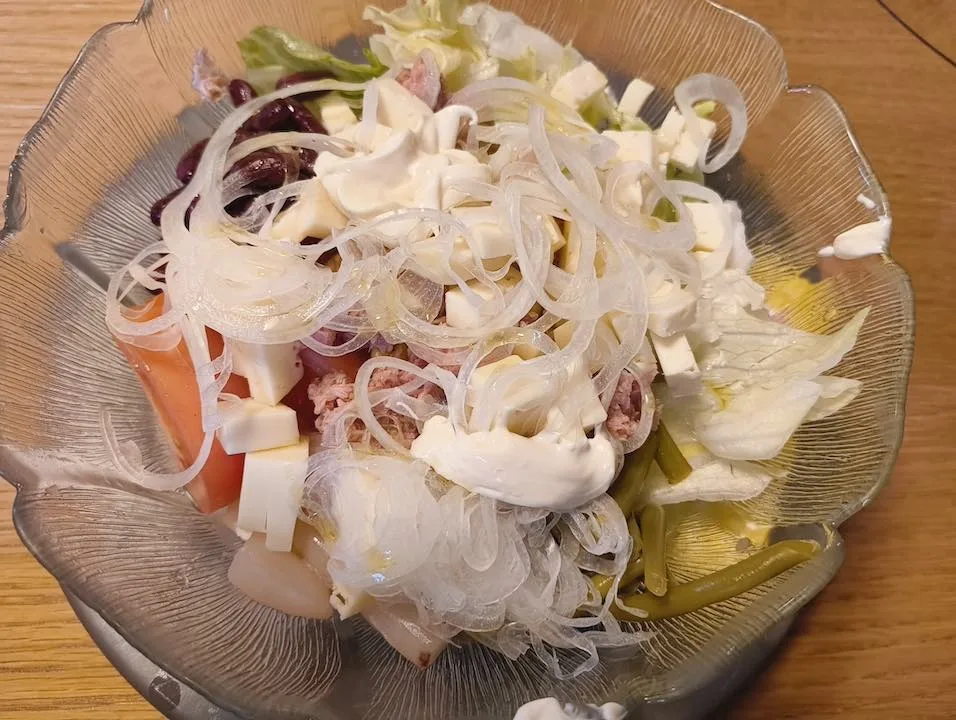
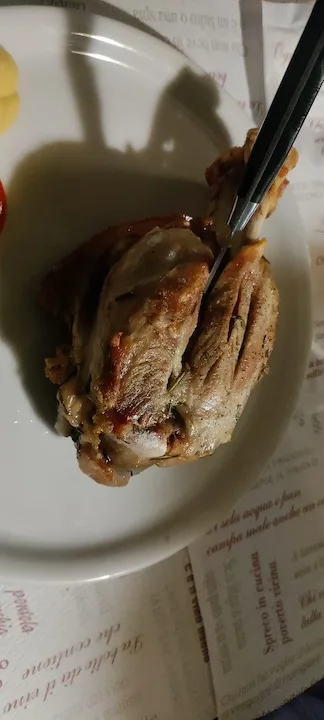
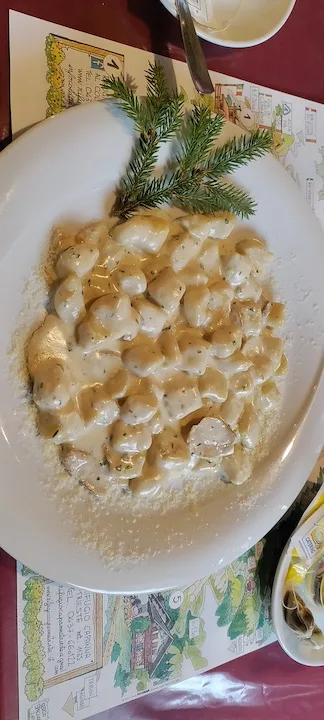
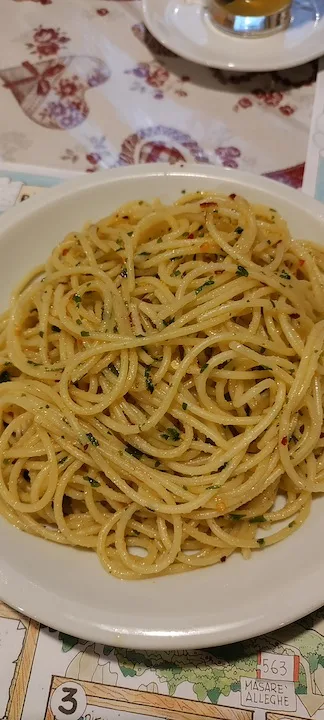
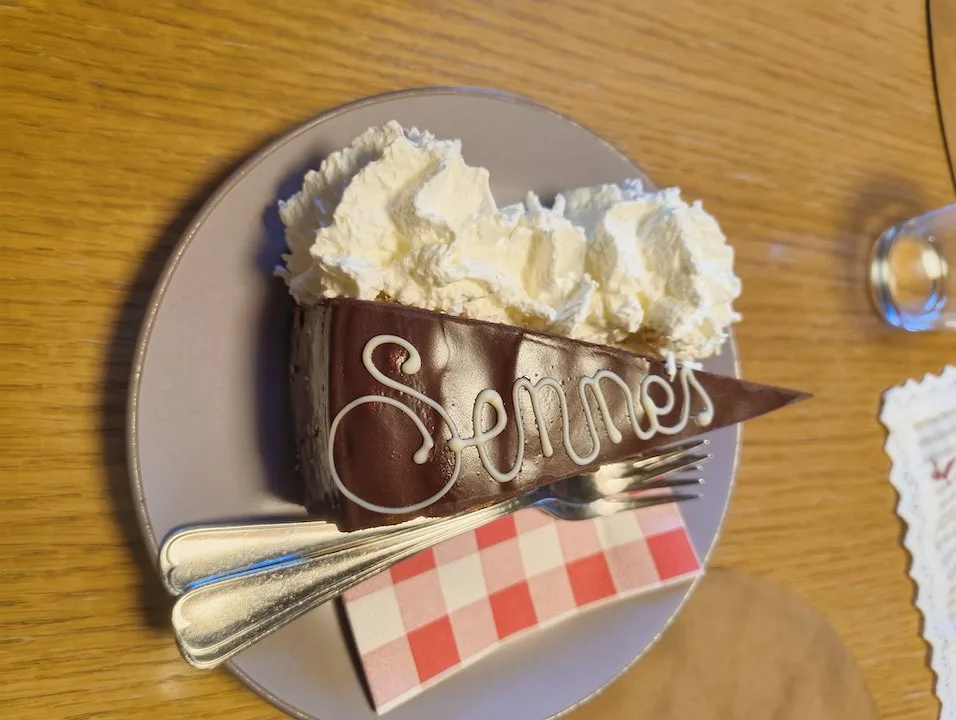
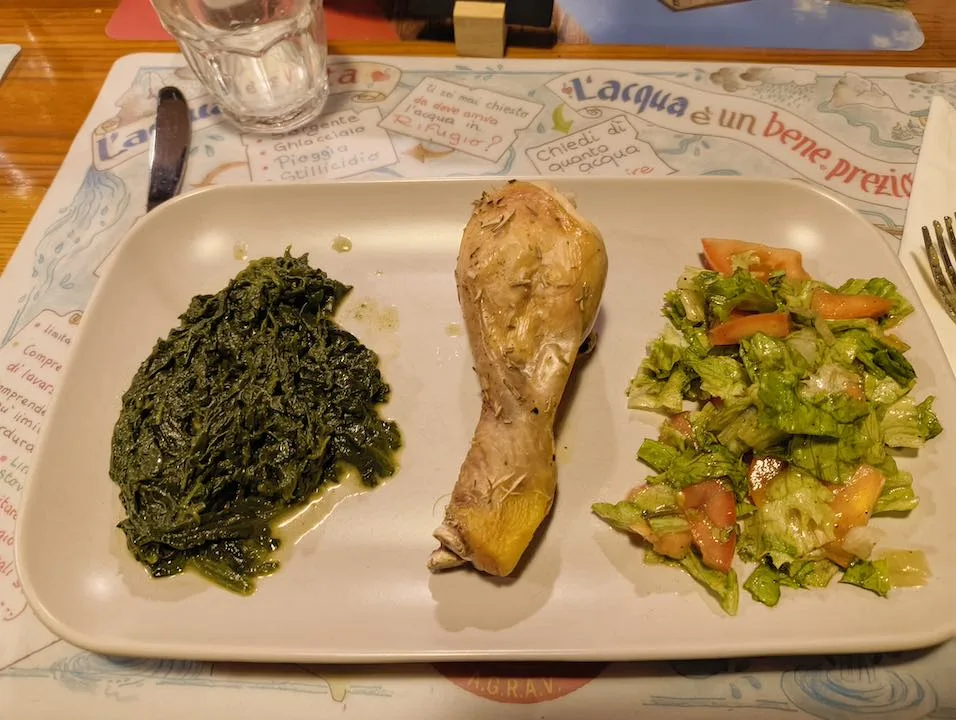
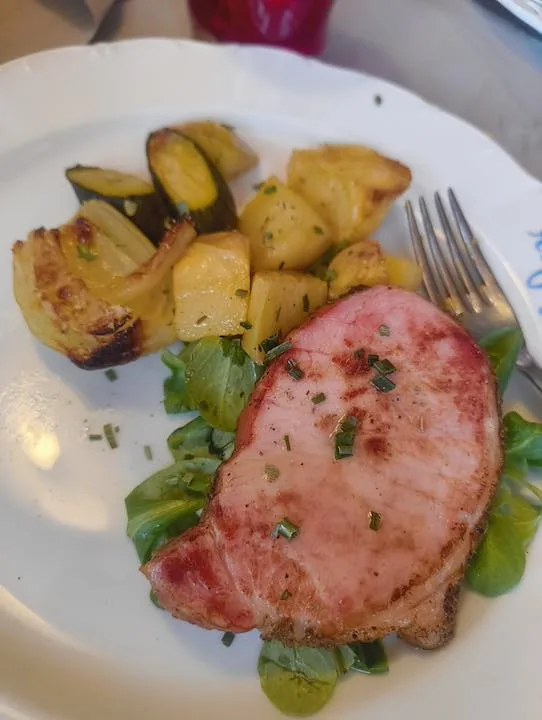
Proof that happiness is edible!



Beautifully written!
❤️
Very well written.
And photos bring out the beauty of the glorious mountains..
Thank you for reading!
Beautiful writeup – felt like being there in the mountains looking over the prisine lakes, looking up Torres and those massive cliffs, staring up the the great ranges in the distance, the welcoming sight of the rifugios and their charming architecture and window views!
May the divine bless you with many more such beautiful journeys and moments. Keep exploring and writing!
Thank you for reading!
Beautiful and inspiring, as always
Thank you!